Articles
/ 27 January 2026
Where to Find Solufruit in 2026
Read the infos

In today’s food industry, where every resource counts, upcycling has emerged as a powerful strategy for uniting sustainability, innovation, and efficiency. This approach, which focuses on making the most of existing raw materials rather than generating waste, is gaining significant traction—especially within the fruit ingredients sector. At Solufruit, we believe that every fruit holds hidden potential, and that its full value extends far beyond its appearance or immediate use. Through upcycling, we transform what might once have been discarded into valuable, functional ingredients that contribute to a more sustainable and responsible food chain.
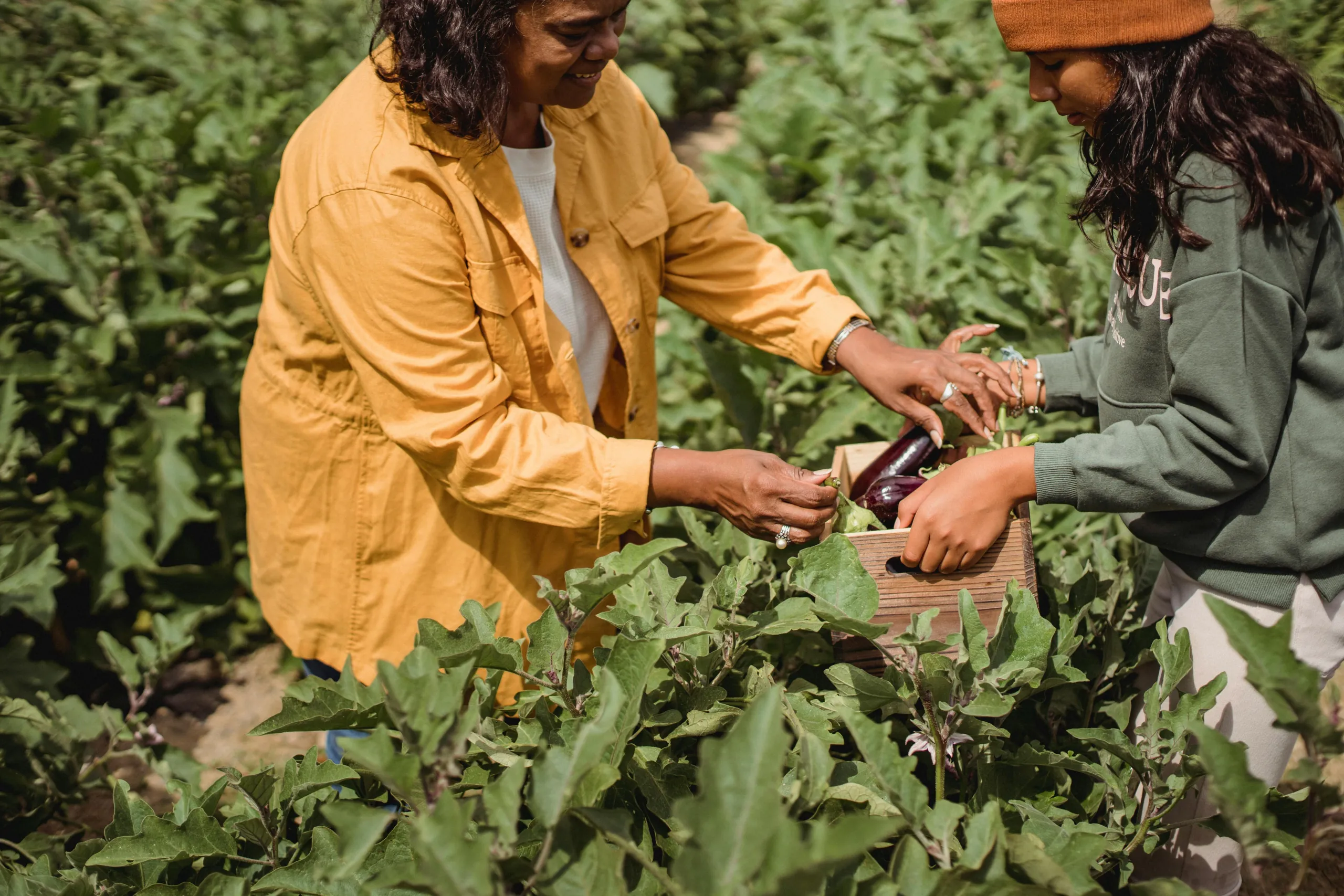
Not every fruit can make it to supermarket shelves, but every fruit deserves a purpose. Some are too small, too irregular in shape, or slightly imperfect in color, but their taste and nutritional value remain intact. Instead of letting these fruits go to waste, we incorporate them into our production process to create fruit purées, juice concentrates, and other natural ingredients. By doing so, we help reduce food waste at the source while maintaining high standards of quality and safety. During processing, no part of the fruit is wasted: fruit fibers from the pulp are reincorporated into purées or redirected to animal feed, while seeds are used as fuel and are now being explored for additional valorization opportunities. Every element of the fruit—its skin, pulp, and seeds—has a role to play in the pursuit of a more efficient and environmentally responsible supply chain.
Beyond its environmental benefits, upcycling has become a key driver of food innovation. In an era when consumers are increasingly attentive to transparency, sustainability, and ingredient origins, upcycling provides manufacturers with an opportunity to align their products with clean label and eco-friendly expectations. By rethinking how we use raw materials, we can create new formulations that are both sustainable and functional. For example, fruit fibers recovered from processing can enhance texture and fiber content in bakery or plant-based applications, while fruit powders derived from skins or seeds add natural color, flavor, and nutritional value. Upcycling transforms waste into potential—and allows food manufacturers to innovate responsibly while optimizing production efficiency and reducing costs.
At the heart of upcycling in the fruit industry lies a circular mindset. Instead of seeing waste as the end of a process, we view it as the beginning of a new cycle of value creation. This approach perfectly aligns with the principles of the circular economy, where resources are continuously reused and repurposed to minimize environmental impact. From the orchard to the processing line, every stage becomes an opportunity for valorization. By reintroducing by-products into production loops, we extend the life of our raw materials, reduce waste streams, and promote a more efficient use of natural resources. This circular thinking not only benefits the planet—it also strengthens the competitiveness and resilience of the entire fruit supply chain.
At Solufruit, our mission is to ensure that every part of the fruit finds a second life. We work closely with our partners to develop sustainable sourcing strategies, optimize energy use, and identify new opportunities for revalorization. Whether through the reintegration of fruit fibers into purées, the transformation of seeds into energy, or the exploration of new applications for fruit residues, we are constantly pushing the boundaries of what sustainability can mean in the fruit ingredient industry. For us, upcycling is not a trend—it’s a long-term commitment to a more circular, transparent, and responsible way of producing food ingredients. By combining scientific expertise, technical innovation, and respect for nature, we strive to make the most of every harvest and contribute to a more sustainable future for the fruit industry worldwide.
In a world facing increasing pressure on resources, upcycling stands out as one of the most effective ways to bridge the gap between sustainability and performance. It allows us to rethink waste, create value from what was once discarded, and ensure that nothing produced by nature goes unused. Through our upcycling initiatives, Solufruit actively contributes to the development of a more responsible and sustainable fruit supply chain—one where innovation and ecology go hand in hand, and where every fruit truly gets the second life it deserves.